Education
Head Start Advocates Say Proposed Overhaul Could Impact Quality of Services. Others Think It’s Time Things Changed
Some of the nation’s most in-need families might face new changes to childcare.
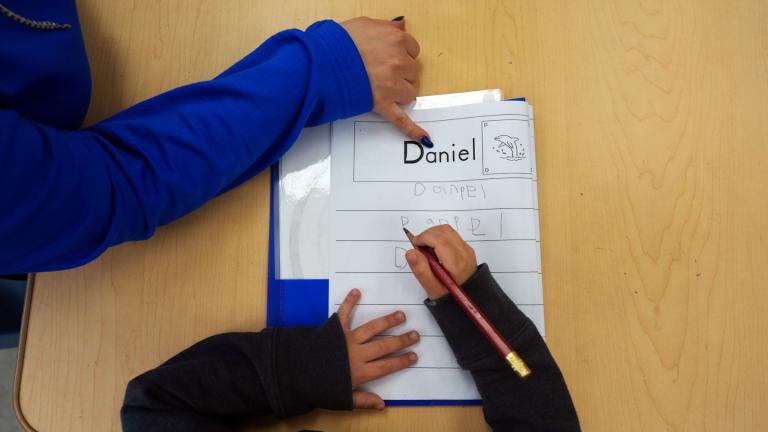
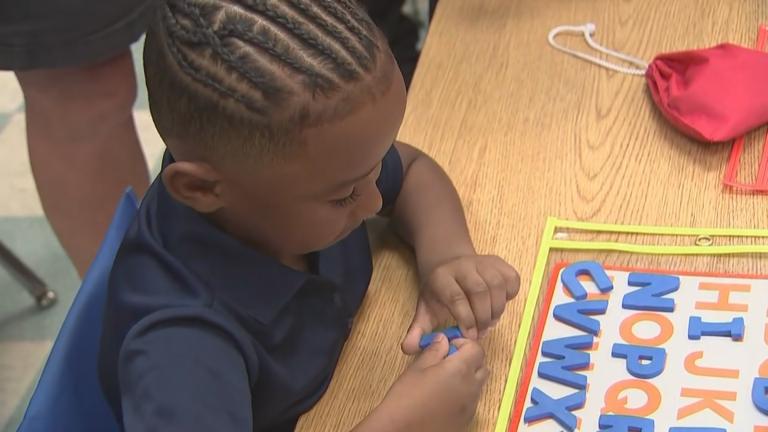
The Trump administration recently announced a proposal to overhaul Head Start, an early childcare education program that aims to serve children below the federal poverty level — including those who are experiencing homelessness or are in foster care. The changes would remove the program’s national standards and give states and parents more control.
Head Start provides educational and medical services, parent coaching and nutritional needs to qualifying families from birth to age 5. The program follows a federal-to-local funding model, which allows federal dollars to reach local communities without passing through state governments. Experts say this model allows Head Start staff to address the unique needs of their communities.
Illinois Head Start Association Executive Director Lauri Morrison-Frichtl said the proposed changes to Head Start could mean decreases in the quality of care.
“It’ll have a critical impact on our children and families across the state, including removing those comprehensive services that make our Head Start programs so impactful, directly for children and families,” Morrison-Frichtl said. “And increasing our class sizes leaves less opportunity for children to have individualized services.”
In Illinois, Head Start serves 28,000 children across more than 600 childcare and classroom centers. Some services are housed in specialized centers, while others are provided through home-based care. Supporters of the proposed deregulation say the changes could create thousands of open spots for children in need.
According to Head Start’s website, children enrolled in Head Start are more likely to graduate high school and attend college. Ted Dabrowski, president of Wirepoints, a nonprofit company delivering research and commentary about Illinois’ economy and government, said the effects of Head Start don’t always last.
“Head Start has gotten a lot of criticism for a lot of its benefits fading out by the time kids get to first grade or second grade or third grade,” Dabrowski said. “And that’s what I’m obsessed about. … We can do all the Head Start programs we want, but if we don’t figure out how to get accountability in our schools … then I don’t want to say we’re wasting time, but we are wasting money.”
Dabrowski said the way success is measured also needs to change.
“Graduadtion, for example, might be something that sounds good, but at CPS, we’re graduating so many kids who can’t read at grade level and can’t do math at grade level,” Dabrowski said. “So graduation for me has taken almost no meaning anymore.”
Another proposed change is that all Head Start classes, except in some tribal communities, must be taught in English. Morrison-Frichtl said that is going to have lasting impacts for bilingual families.
“Majority of our children are dual-language learners,” Morrison-Frichtl said. “The research tells us that the language development done in both languages is critical for the child’s success moving forward.”
While some see local regulations as a positive alternative, Head Start advocates are concerned that states will not be able to secure the necessary resources and funding to continue programs. Morrison-Frichtl said this funding is necessary to ensure the needs of the nation’s most vulnerable children can be met.
“Imagine children that need those health services or oral health services where we’re supporting them to get to the dentist to have their teeth taken care of, we won’t be able to do that because the funds will not be there,” Morrison-Frichtl said. “They’ll be switched over to serve more kids, and the administration says this in their analysis of the proposed rules.”